How can couples without children build a reliable support network?
Build a support network by matching specific requests and offers to people who can reliably help.


Support networks grow through ordinary arrangements. A neighbor who can collect a parcel and a friend who can be your early ride may be two different people. Name the help you might need and what you’d be glad to offer in return.
Ask for something specific
Make a short list of practical situations: a delayed flight, a week without the car, a pet needing attention or a day when somebody should check in. Ask whether a person would be comfortable with one situation and how they’d want to be contacted. Give them a way to decline.
Build more than one kind of connection
Consider nearby friends, more distant relatives and groups you actually participate in. A couple without children can decide together which relationships they want to make time for. Treat help as a conversation, not a standing obligation. Check the contact list when someone moves or availability changes. Keep promises of help you know you can sustain.
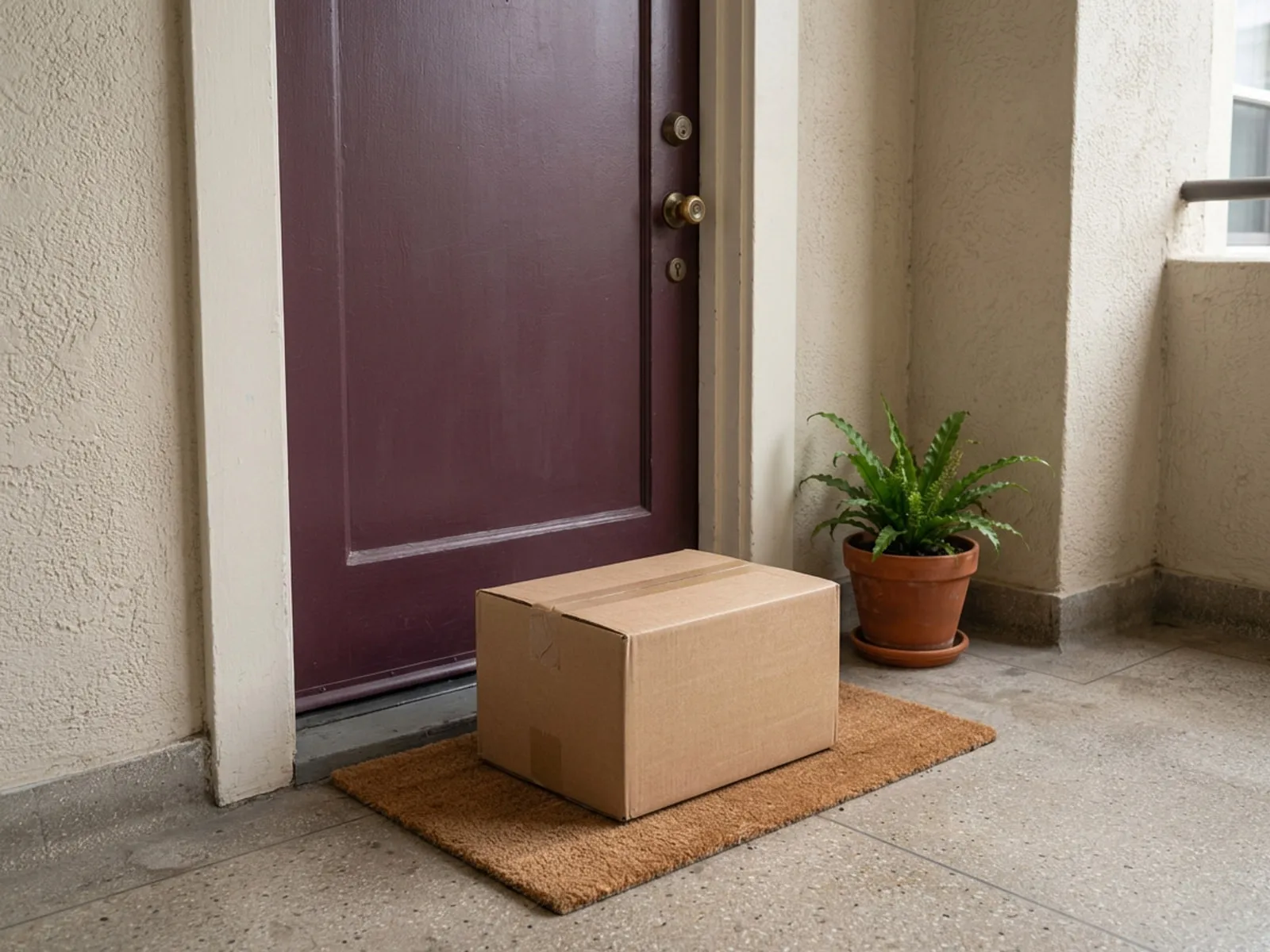
Pick one contact and one ordinary task
Ask whether a neighbor would put a parcel somewhere safe once, then see how communicating works. Offer a task in return that you actually have time to do. A reliable network can include people with very different levels of involvement. Keep an alternate route for time-sensitive needs, including services you can contact directly.
Work through an invented example
A couple without children wants someone to check their home while they travel and a different person to call for a ride if a car breaks down.
They ask two people about specific tasks and find that each is comfortable with a different kind of help. Offer something useful in return without tying it to an obligation. Check that each person knows who to contact.
Match a contact to a particular request
Name one parcel, ride, check-in or pet task another person could cover. Ask them what timing and contact method work for them. Keep another possibility for anything urgent.
Offer a reciprocal favor only if you can reliably do it. Note when you last confirmed the arrangement and revisit it if schedules or locations change.
Give the network more than one route
If the first person you want to ask lives far away, find out what they can realistically do without being there. They might call or help find an appropriate service. A nearby person may be better for a parcel or a ride but may not want to be on call. Discuss which favors you’re comfortable offering back and work them into the routines you can keep rather than promising broad availability.
Let a relationship stay mutual without keeping score
Someone may be happy to help occasionally and would rather you didn’t feel obliged to offer the same favor. Ask what feels comfortable. If a request is outside the relationship you have, look for a service or another contact rather than asking the person to stretch every time. Invite them to say when their availability changes. Write down only what you need for the actual arrangement.
Common questions
What if we live far from relatives?
Start with the people you know nearby and the groups you already participate in. Ask about one practical situation rather than general availability.
How do we offer help without overcommitting?
Name a task and time you can reliably cover. Say when you’ll need the other person to check in again.
Should the same person be the backup for everything?
Match the person to the task and confirm the backup. Spread requests when it makes the arrangement more reliable.