How do we decide whether to live near adult children?
Work out what visits and help both households actually want, and test an ordinary busy week before moving closer to an adult child.

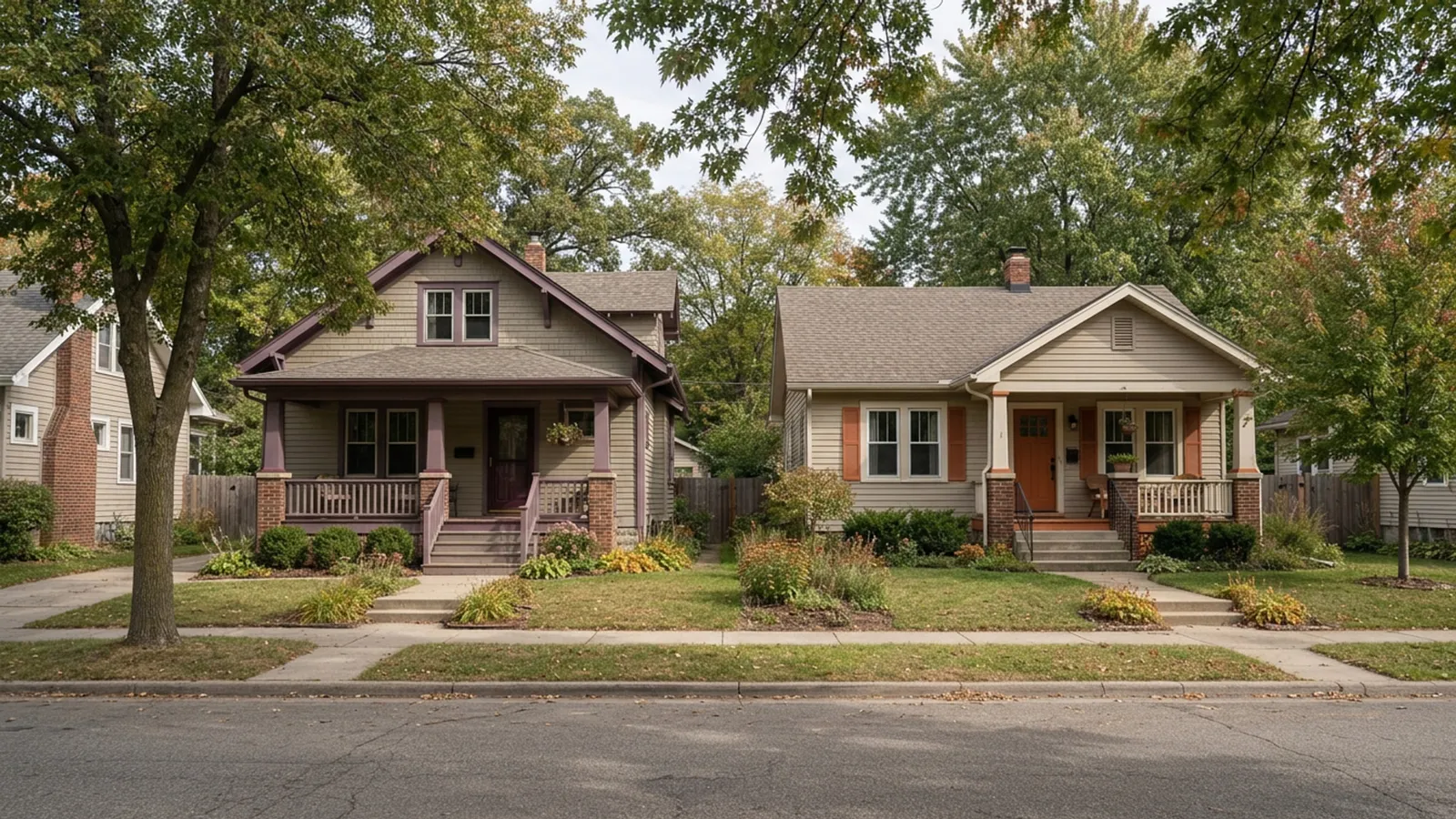
Living near an adult child might make ordinary visits easier. It can also create expectations neither household has discussed. Before looking at addresses, talk about how you’d actually like to see each other.
Separate proximity from availability
Ask how often visits would feel natural and what help each household would like to offer. “Would you want a regular dinner?” is easier to answer than “Would you be there for us?” Make clear what each person wants to keep private or independent. If care is part of the reason, name the actual tasks and ask who wants to be involved.
Compare a move with other ways to stay close
Look at travel, housing, work, friends and the support you’d leave behind. Consider a longer visit or a regular travel pattern if either would give you better information. Ask what happens if one household moves again. Choose an arrangement that still makes sense even in a week when everyone is busy.
Compare two households, not one shared schedule
Each household can name what it wants more of and what it needs to keep. A parent might want spontaneous visits but also want their own friends and activities nearby. An adult child might welcome a planned meal rather than frequent requests. Test one specific pattern before making a move that depends on it.
Work through an invented example
A parent would like to move near an adult child and pictures weekly dinners. The adult child likes the idea of occasional visits but cannot promise a fixed weeknight.
They discuss a trial visit and talk about the parent’s own interests and transport in the area. Test how an ordinary busy week would feel before using availability as a reason to move.
Try the visit you hope to have after a move
Pick an ordinary busy week and propose one dinner or small favor to see how it fits. Ask both households about private time and what they are comfortable promising.
Write down what would remain appealing about the location if schedules change or a relative moves again. Compare that with the benefits you get from staying where you are.
Ask about the help that would be needed regularly
A household may enjoy occasional visits and be unable to provide a ride or pickup every week. Ask what each person wants and what they can confirm. Keep transport, home costs and your connections in the area on the comparison even if family is the reason you’re interested. If you would still like the place on busy weeks when nobody has time to visit, say what would make those weeks work.
Find out what happens on the busy weeks
Try a visit that includes an ordinary workday instead of planning mainly around holidays. Ask which transport, errands and social plans you can manage independently. Notice what you like about the area beyond closeness to the family. If someone’s schedule changes, that independent routine may be the difference between a location that still works and one that only fit the first plan.
Common questions
Does living close mean offering regular help?
Ask what each household wants and what it can reliably give. Agree on specifics rather than treating proximity as a promise.
Could we test it before moving?
A longer visit or several ordinary visits can give you useful information. Include time when everyone has their normal commitments.
What if my child moves again?
Consider what still makes the location a good fit for you. Ask whether the relationship and practical support would remain workable.