Should an aging relative move in with us?
Compare moving in together with staying put with support or living nearby, starting from what the older relative wants and the help that can be confirmed.

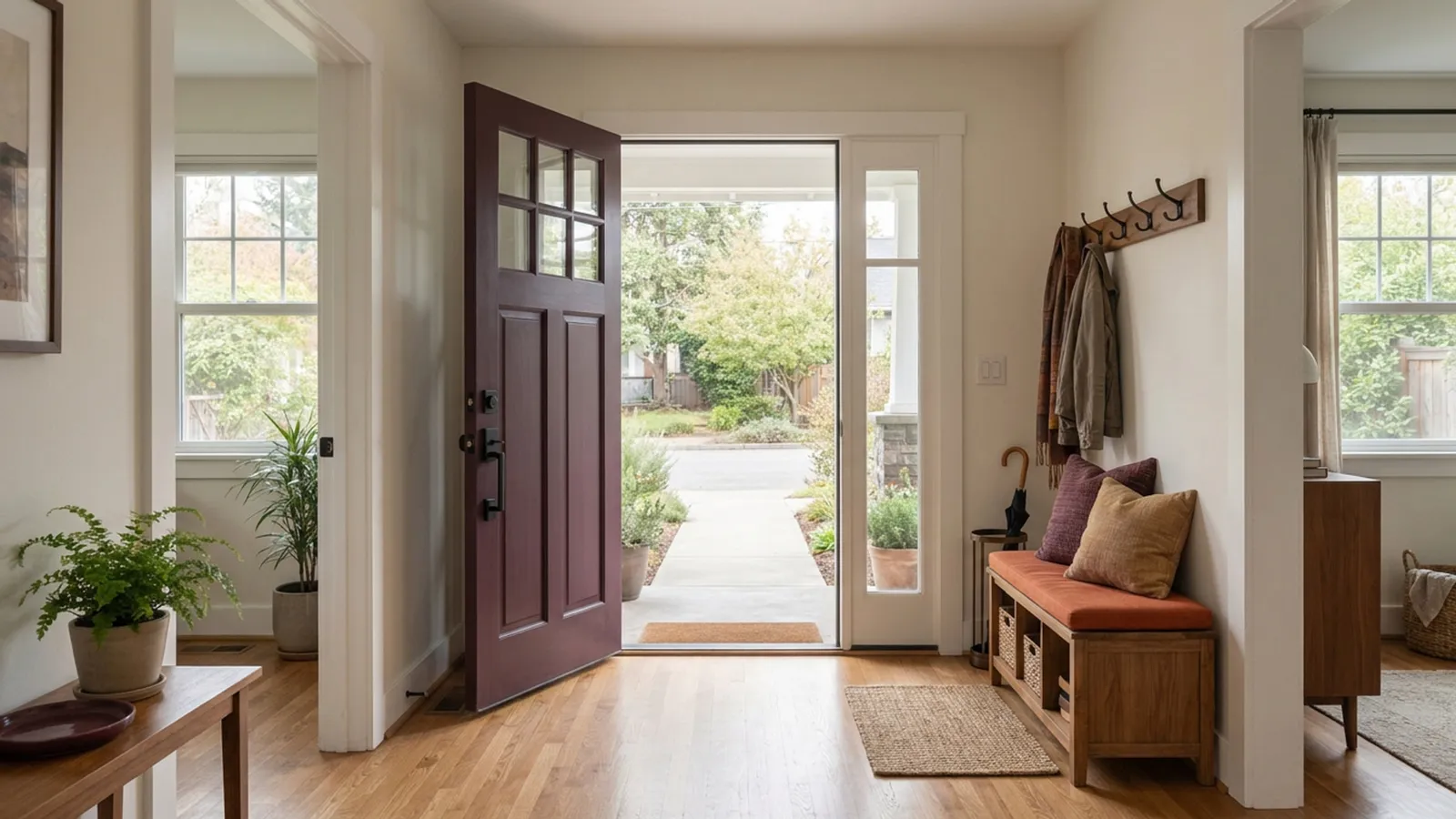
Start with the aging relative’s preferences and the daily help they actually want. Moving in together is one arrangement to compare. Put it beside what staying put with support or living nearer might look like.
Walk through an ordinary day
Check access to rooms, privacy, transport and the way meals and errands would work. Ask who would be available at the times help is expected and what happens if that person is away. Ask the relative what they want to keep doing independently. Write down what each household can offer and what remains uncertain.
Verify support and set a review
Use ACL’s referral resources to locate local services and confirm availability directly (Administration for Community Living, checked November 19, 2026). Care-level, benefits and legal questions need qualified advice specific to the situation. If you decide to try living together, agree on expenses, private space and a review date. Discuss what would make you reconsider and what alternatives you could explore then.

Ask what would stay private
Walk through where the relative would spend time alone, receive visitors and keep personal belongings. Ask when the rest of the household uses those areas and whether access needs can be met in practice. Treat the walk-through as questions to verify, especially if changes to the home or professional support are involved.
Work through an invented example
An older relative prefers to stay in their own place but needs a more reliable ride. A family member suggests moving in together before they compare what else might help.
They check a transport option and walk through the family home to see what living together would change. Compare confirmed support in each arrangement and leave care-level decisions to qualified sources.
Tour the home with the person who would move
Ask where they’d want to spend time, receive visitors or be alone. Note which access or privacy changes you would need to verify with someone qualified.
Compare staying, living nearby and moving in on the same care and transport questions. Write a review point before treating a trial arrangement as a permanent answer.
Compare support that travels with the person
A move may make one kind of help easier but put a familiar shop, appointment or friend farther away. Walk through transport and contacts from each proposed home. Ask who would fill the gaps and what the person who would move wants to keep. If an assumption depends on clinical guidance, accessibility work or a public service, confirm it with the appropriate source before asking both households to plan around it.
Compare the cost of help that is actually available
Making a home accessible or paying for transport may change the comparison between staying and moving. Use real quotes or verified local options where possible. Include the time people say they can give as well as the tasks they want to keep doing independently. Set aside estimates that rely on somebody’s availability until that person confirms it.
Common questions
How do we include the older adult’s preferences?
Ask what they like about their current home and which help they want. Include their answers in each option rather than choosing for them.
What should we check about the home?
Look at access, privacy, transport and ordinary routines. If specific adaptations or supports are needed, ask qualified people about the actual setting.
What if we try living together?
Agree on a date to review how it works and what would make you reconsider. Discuss alternatives before you need them.
Sources
- Administration for Community Living. Finding Help for Yourself or a Loved One. Checked November 19, 2026.