What should we work out before blending households?
Agree on space, money, routines and adult roles before two households combine.

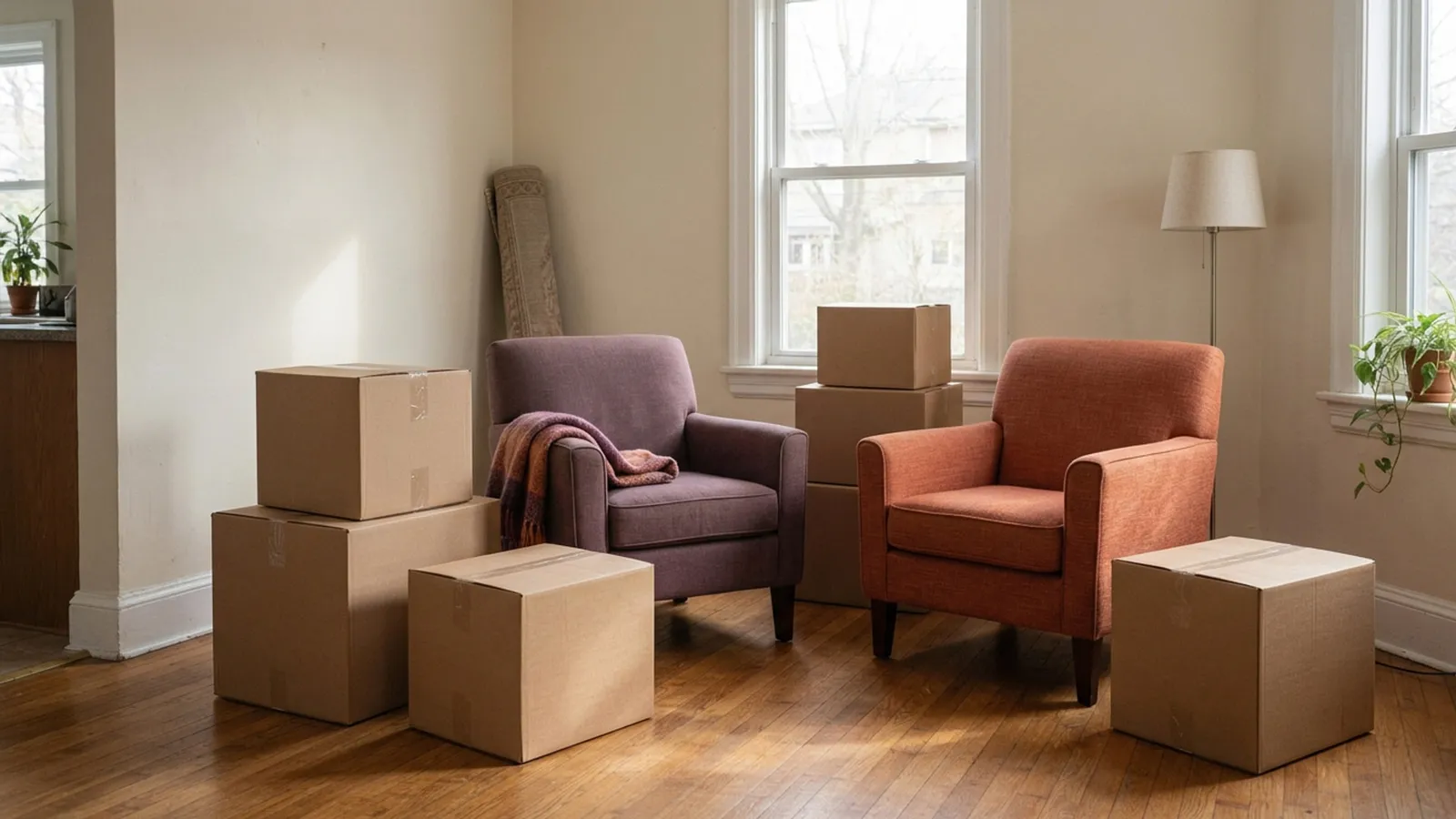
Before combining households, ask what each person wants to keep from the way they live now. You may be thinking about boxes and furniture while someone else is wondering where they can get quiet time. Write down those everyday questions before deciding how the new home will work.
Walk through the rooms together
List the spaces people share and the places they can count on for privacy or storage. Ask children who are affected what they want to know and what they hope can stay familiar. Adults can listen without putting a child in charge of the move. Decide what to bring, what to store, and whose approval you need before getting rid of something.
Agree on costs and roles
Make a list of shared and personal expenses. Before choosing a split, discuss which adults will handle bills, meals, pickups and reminders. If children live across households, keep existing commitments in view and clarify who can make day-to-day arrangements. Where an agreement or court order already sets terms, have the appropriate person verify how the proposed change fits it.

Try the routine before it becomes permanent
Talk through one weekday and one weekend. What happens if someone has a guest, can’t collect a child, or needs the shared room for work? Choose two decisions you can settle now and name who will look into the rest. Set a date after the move to ask each person what is working and which assumption needs changing.
Work through an invented example
Two households plan to share a home. Both want the second bedroom for different reasons, and neither has considered where a child who visits on weekends will keep their things.
They draw a simple room plan and realize a desk could move while the storage needs to stay available. Walk through a weekday and a weekend using that plan before deciding what furniture to bring.
Draw the weekday before moving furniture
Sketch where adults take calls, where the child keeps belongings and who needs a quiet area. Try an ordinary morning and evening in conversation before promising how a room will be used.
Ask each person about one routine they want to keep. If you can’t solve competing uses of the same room yet, record who will check alternatives before the move.
Make changes in stages after the move
Put the questions that must be answered immediately, such as paying the first bill or keeping a work space clear, on the first-week list. Defer decisions about storage or décor if nobody knows how the room will be used. Ask each household member what they would miss if a familiar routine disappeared. Keep a short check-in after the first ordinary week so people have somewhere to raise a problem before it becomes a point of friction.
Common questions
What should we agree before moving?
Settle the decisions that affect cost, regular access and privacy. Give everything else an owner or a date to discuss it.
How can we involve children in the move?
Ask what they want to keep familiar and what they’d like to know. Adults can explain which decisions are theirs to make and which are open to suggestions.
What if an existing agreement affects the move?
Find the current document and ask a qualified source what needs checking. Keep those questions separate from everyday decisions about storage or chores.