Which household records should someone else be able to find?
Build a short inventory that shows where each important household record is kept, what job it's needed for and who is allowed to use it.

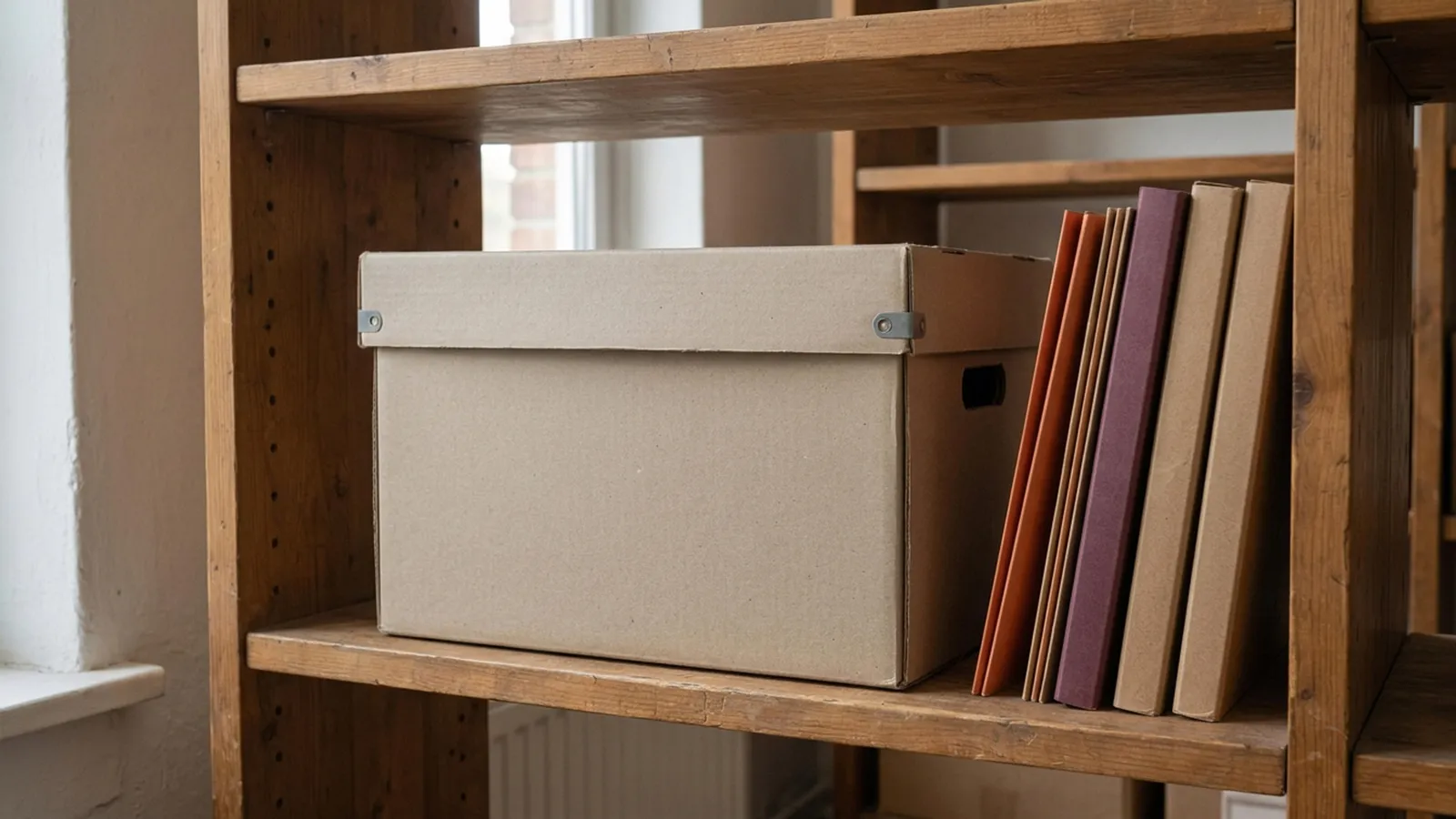
Make an inventory before trying to share everything. Start with the documents someone might need to find for a specific job, such as contacting the insurer, dealing with a repair or checking a service agreement.
Record where it is and who can use it
Use columns for record, location, owner and access. For example, the inventory can say which secure folder holds a policy and who can open it without putting account credentials in the inventory itself. Keep originals where they’re protected. Confirm what authority someone needs before expecting them to handle a legal or financial matter.
Test with a harmless item
Ask the person to find a document they’re allowed to see, such as a repair contact or a recent invoice with common details. Find out which step was unclear. Review the list after a move or a change in account ownership and remove access that’s no longer needed. The goal is a usable map, not a shared copy of every private record.
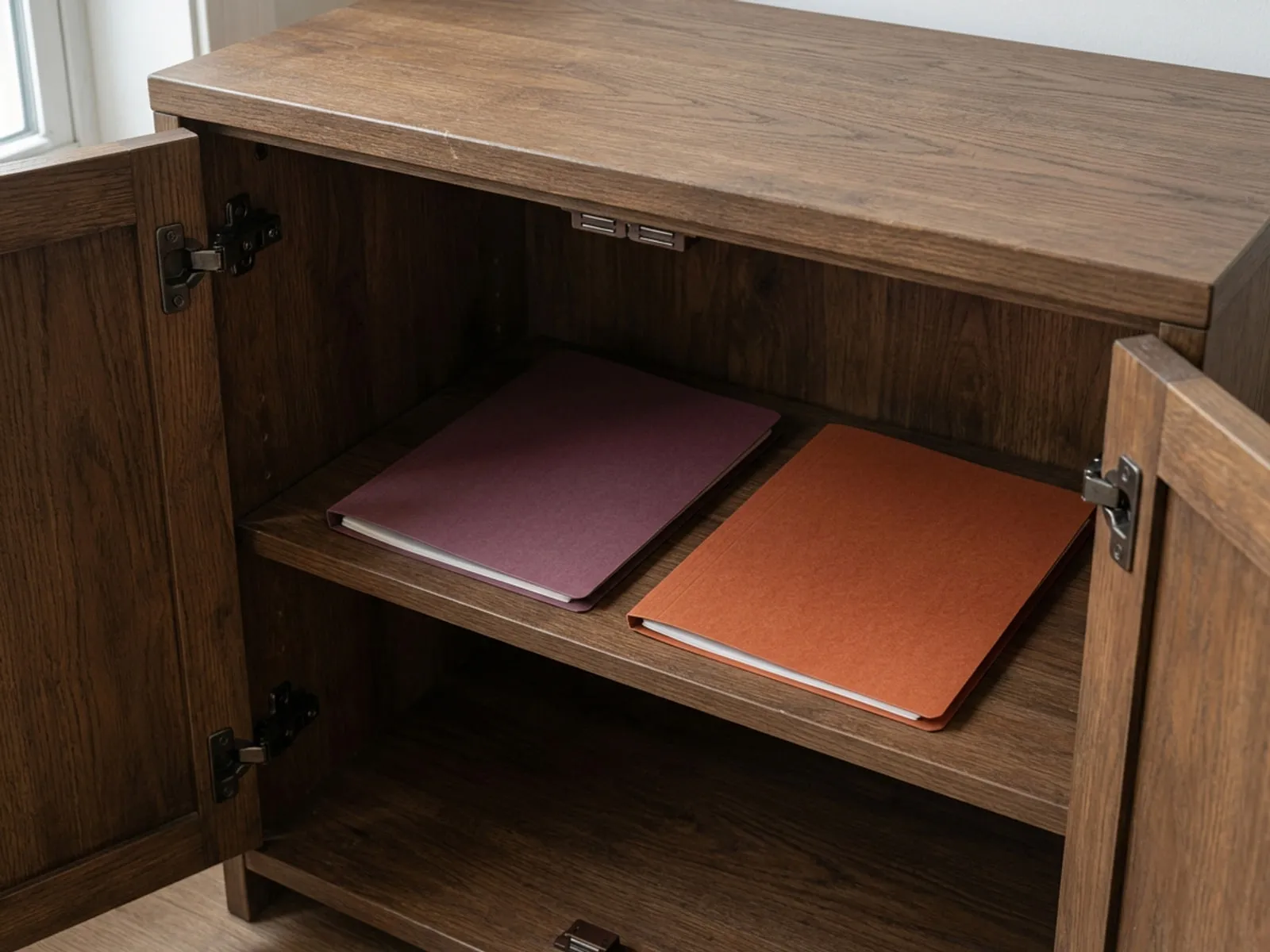
Give each entry a reason to exist
Mark the job the record supports and which person needs it. An insurer’s contact and policy location can be more useful than copies of every statement. Use an access method the person is allowed to use. Have them try locating one harmless item while you’re there and fix anything unclear.
Work through an invented example
Someone agrees to follow up about a repair but can’t find the relevant agreement in a pile of household papers.
The household gives the agreement one labeled location and adds a separate line for the contact details. Ask the person to find the agreement without sharing private documents they don’t need.
Make a locate-and-use inventory
For each essential record, list the job it supports, where it’s stored and who has permission to see or use it. Avoid copying passwords into the list.
Test a repair or claims contact with someone who is allowed to see it. Update the map when an institution or document changes, and remove access a person no longer needs.
Use different access for different jobs
A person handling a repair may only need the service contact and a safe way to find the agreement. Someone arranging a more consequential change may need verified authority as well as the record. Write those as separate questions. You can let someone test one permission they already have without granting new access. If you don’t know what authority is needed, ask the responsible provider or a qualified adviser first.
Give the inventory a maintenance date
A policy or provider can change even when the folder name stays the same. Put the date you last verified the location and authorized users beside each item. After a move or change in household roles, check the records people actually need for their new tasks. An obsolete contact does not have to stay in the inventory just because it has been there a long time. Remove access that is no longer needed through the appropriate service.
Common questions
Which records should go on the list?
Start with the records used for jobs another person is expected to do. Add location and authorized access rather than copying every document.
What if a record is sensitive?
Keep it secure and record only what someone needs to locate it. Confirm any permission or authority before expecting another person to act.
How do we know the map works?
Ask someone to find one harmless item they are allowed to see. Fix the unclear step and repeat after a major change.